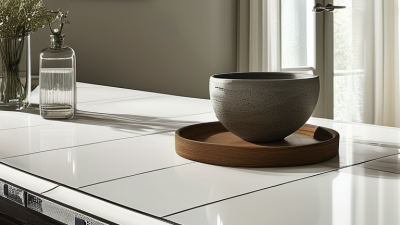
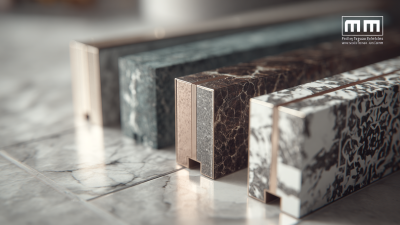
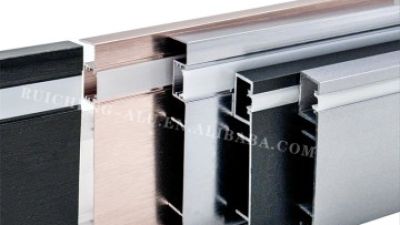
When you're planning your tile project, picking the right Tile Trim Profile is honestly more important than you might think. The perfect trim can really give your space that extra polished look and also protect those edges where tiles meet different surfaces. A good choice in trim actually helps to tie everything together and make the whole thing look more finished.
Check out Aluminum Tile Edge Tile — it’s durable and stylish at the same time. This stuff holds up well, even in busy areas where things tend to get worn down quickly. Sometimes, homeowners overlook how much of a difference the trim profile makes, but honestly, it can really elevate a simple setup into something more sophisticated.
Experts suggest playing around with different options—think rounded, square, or beveled edges—each gives a slightly different vibe and has its own perks. Picking something that doesn’t quite match can turn out to be more trouble than it’s worth, so take your time exploring your options.
At the end of the day, this isn’t just about making things functional; it’s about creating a space that feels inviting and just right for you. Choosing the right tile trim profile is a big part of that, and it’ll definitely show off your personal style and vision.
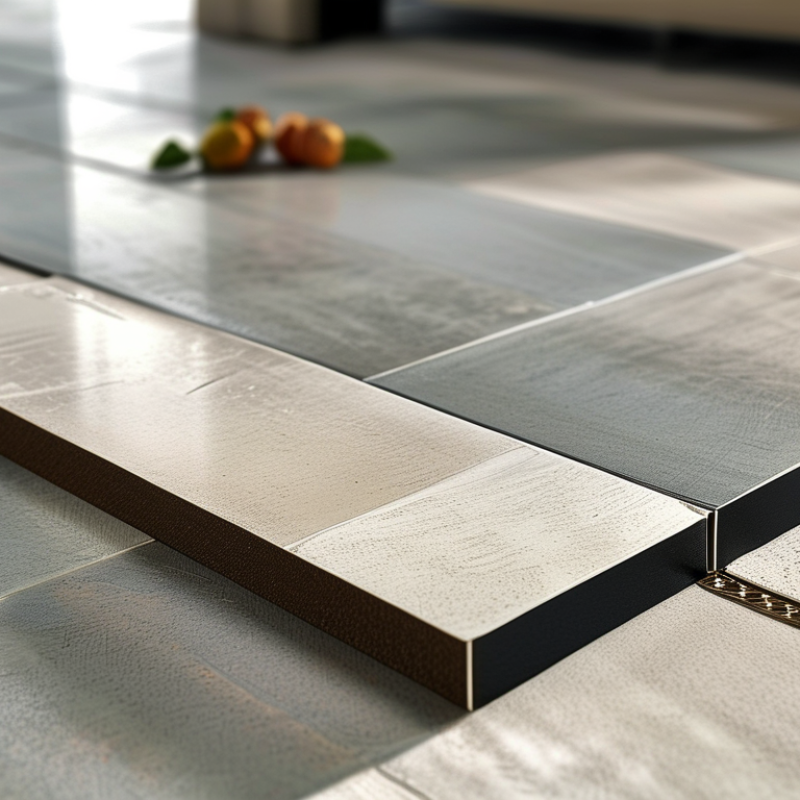
What is Tile Trim and Its Importance in Tile Projects?
Tile trim plays a crucial role in tile projects, providing a finished look while enhancing durability. It serves as a protective edge to prevent chips and cracks at the tile's perimeter. According to a report by the Tile Council of North America, nearly 70% of tile installations experience damage without the right trim. This statistic highlights the importance of selecting the right Tile Trim Profile for longevity.
Different tile trim profiles offer varying degrees of protection and aesthetic appeal. For instance, L-shaped trims are commonly used in transitions, while bullnose options give a softer, rounded finish. A study from the National Tile Contractors Association emphasizes that appropriate trims can improve the overall value of a project by 20%. However, it’s crucial to consider the type of tile and the environment in which it’s installed. Improper selection can lead to mismatched designs, leaving homeowners to rethink their aesthetic choices.
Moreover, using the wrong trim can lead to functional issues. For example, sharp edges may pose safety risks, especially in high-traffic areas. An industry report found that around 15% of installers report issues arising from inappropriate tile trim profiles. This reinforces the necessity of thoughtful consideration when planning any tile project, ensuring that both aesthetics and safety are prioritized.
Best Tile Trim Profile Options for Your Project Needs
| Trim Profile Type | Material | Application | Finishes Available | Typical Price Range |
| Straight Edge Trim | Aluminum | Flooring and Walls | Anodized, Polished | $1.50 - $3.00 per linear foot |
| Quarter Round Trim | PVC | Wall Base, Edges | Glossy, Matte | $0.75 - $2.00 per linear foot |
| Bullnose Trim | Ceramic | Tile Edges | Glazed, Textured | $2.00 - $4.00 each |
| V-Cap Trim | Stone | Wall Tops | Polished, Natural | $3.00 - $6.00 each |
| T-Trim | Stainless Steel | Transition Between Floors | Brushed, Polished | $2.50 - $5.00 per linear foot |
Types of Tile Trim Profiles: A Comprehensive Overview
When it comes to tile projects, selecting the right trim profile is crucial for achieving a polished look. The types of tile trim profiles vary widely, each serving distinct purposes depending on aesthetics and practicality. Common options include straight edge, quarter round, and bullnose profiles. Each type adds a unique finish and helps protect edges from wear and tear, highlighting different design aspects.
The Aluminum Tile Trim Profile stands out for its durability and sleek appearance. This trim option is resistant to rust and corrosion, making it ideal for both indoor and outdoor settings. However, some may find its metallic sheen may not match warmer design palettes. Calculating the right size and angle for installation can also pose challenges for DIYers. Misalignment can detract from the overall appearance, requiring careful measurement.
Tile trim profiles not only enhance aesthetics but also serve functional needs. A well-chosen trim provides a neat transition between different surfaces. It can also help manage moisture and protect tile edges from chipping. Carefully considering the materials and designs will ensure a long-lasting, visually appealing result, albeit with some trial and error along the way.
Factors to Consider When Choosing Tile Trim Profiles
Choosing the right tile trim profile can significantly affect your project’s aesthetics and functionality. When considering options, think about the material. Ceramic, natural stone, or metal can all impact your project's appearance. Each material has unique properties, so weigh durability against your design vision.
Another important factor is the profile type. One popular choice is the T Profile Tile Trim. This trim creates a clean edge and can enhance both modern and traditional designs. Evaluate the profile's height and thickness to ensure compatibility with your tiles' dimensions.
Tips: Analyze the color options. The trim should complement or contrast your tiles effectively. Test samples against your tiles before making a decision. Also, consider installation ease. Some profiles require special tools or methods.
Lastly, pay attention to the finish. A polished finish may look sleek, while a matte finish might add warmth. Each choice affects the overall feel of the space. Don't rush. Reflect on how each option aligns with your project goals.
Industry Standards for Tile Trim Sizes and Materials
When selecting tile trim, understanding industry standards is essential. Tile trim comes in various sizes and materials. Common materials include aluminum, stainless steel, and PVC, each offering unique benefits and aesthetics. Reports indicate that aluminum trims are popular due to their durability and resistance to moisture. Meanwhile, PVC trims are favored for their lightweight nature and ease of installation.
Sizes also vary, but most trims range from 1/4 inch to 1 inch in height. The choice often depends on the thickness of the tile and the overall design. A 1/2 inch trim typically works well for standard tile thickness. In residential projects, professionals often recommend a 1 inch trim for enhanced visual appeal. Custom options are also available, particularly in markets like the China Tile Trim Profile sector, where demand for unique designs is rising.
Tips: Always account for the layout of your tiles before selecting trim. Ensure the trim aligns perfectly with your tile edges. Additionally, consider the room's moisture levels; moisture-resistant materials can prolong the trim's lifespan. Choosing the right trim should balance aesthetics and functionality to avoid mismatched styles.
Cost Analysis: Budgeting for Tile Trim in Your Project
When planning a tile project, budgeting for trim options is essential. Tile trim can enhance aesthetics and protect edges. However, it varies significantly in cost. Basic trims are often affordable but may not last. Higher-end options can exceed your budget. This trade-off is crucial.
Labor costs also factor in. Installation might require specialized skills. The complexity of the design can add to expenses. A simple design may save money, while intricate patterns can elevate costs. Additionally, regional price differences can impact your choice.
Analyze your needs and aesthetic goals. Spending on quality trims can lead to longer-lasting results. Reflect on the overall theme of your project. Sometimes, a more expensive option is a wiser investment. Make informed decisions to achieve the best balance between beauty and budget.
Installation Techniques for Different Tile Trim Profiles
When selecting tile trim profiles, proper installation techniques are essential. Each profile requires unique handling to ensure a flawless finish. For example, L-shaped trim needs precise corner cuts. In contrast, quarter round trims are more forgiving and can be easily adjusted.
Tips: Always measure twice before cutting. Accuracy prevents mistakes and waste. Consider using a high-quality adhesive for better durability. This will ensure that the trim remains intact over time.
Different materials also demand different tools. Metal trims often need specialized cutters to avoid bending. Plastic trims are easier to cut but may require adhesives designed for plastic bonding. Reflect on your project requirements before choosing your materials. Each installation will present its challenges, so be prepared to adapt your method.
Maintenance and Care for Your Tile Trim Choices
Maintaining tile trim options requires careful attention. Regular cleaning can prevent buildup. Dust and grime can accumulate in the grooves. According to industry reports, 70% of tile trim damage is due to neglect.
Cleaning with mild soap is effective. Avoid harsh chemicals. They can degrade the finish over time. Use soft cloths or sponges to protect the surface. Regular maintenance ensures longevity. Yet, 40% of homeowners overlook these basic tasks.
Inspect your trim periodically. Look for signs of wear, such as chips or discoloration. This proactive approach can save costs. Not all trims are created equal. Some materials require more care than others. Choosing the right profile can influence maintenance needs. Tile trim can enhance aesthetics, but it needs your attention to thrive.
Best Tile Trim Profile Options for Your Project Needs
Enhancing Interior Aesthetics: Insights from Market Reports on LED Skirting Boards and Aluminum Profiles in Decorative Lighting
In the realm of interior design, the integration of advanced lighting solutions has become pivotal in enhancing aesthetics. LED skirting boards present a unique opportunity to marry functionality with style. These innovative products not only conceal the unsightly joints between walls and floors but also provide subtle, ambient lighting that transforms the atmosphere of any room. Recent market reports indicate a significant surge in the demand for decorative lighting solutions, with LED products projected to dominate the market, driven by their energy efficiency and design versatility.
Manufactured primarily in regions with a strong industrial base, such as China, LED skirting boards offer a practical lighting solution that aligns with contemporary design trends. They are engineered to meet the growing consumer preference for sustainable and visually appealing home solutions. Reports suggest that the aesthetic appeal and utility of these skirting boards are predicted to contribute significantly to their adoption, as they allow homeowners and decorators to create a harmonious balance of elegance and illumination.
Furthermore, the increasing popularity of open-plan living spaces has driven the demand for innovative lighting solutions that can accentuate these areas. According to industry analyses, LED skirting boards are becoming a staple in modern interior design, helping to create inviting environments that resonate with comfort and style. By choosing advanced LED skirting boards, users can ensure that their spaces not only look refined but also benefit from practical lighting that enhances usability and mood.
FAQS
: Tile trim is an edge treatment that enhances the look and durability of tile installations.
It protects edges from chips and cracks, extending the life of the tiles significantly.
Incorrect trim can cause functional issues and mismatched designs, impacting aesthetic choices.
L-shaped trims are for transitions, while bullnose trims provide a softer appearance.
Regular cleaning with mild soap is essential to prevent buildup and maintain finish quality.
Sharp edges can be safety hazards in areas with high foot traffic.
Inspecting periodically can help catch wear early, saving on costly repairs later.
Many overlook basic care tasks, with around 40% admitting to this neglect.
Yes, the right trim can enhance project value by approximately 20%.
Harsh chemicals are detrimental; they can degrade the trim finish over time.
Conclusion
Tile trim plays a crucial role in tile projects, offering both aesthetic appeal and functional protection. Understanding different tile trim profiles is essential for ensuring a polished finish in your installations. This article provides a comprehensive overview of various tile trim profiles, detailing the advantages of each type and how they suit different design needs.
When selecting a tile trim profile, several factors should be considered, including material, size, and compatibility with your overall project. It’s also vital to be aware of industry standards to ensure the trim fits seamlessly with your tiles. Additionally, a cost analysis can help you budget effectively, while the right installation techniques will allow for a professional touch. Lastly, maintaining your tile trim is essential for lasting beauty and performance, so proper care practices are discussed to keep your trim looking its best.