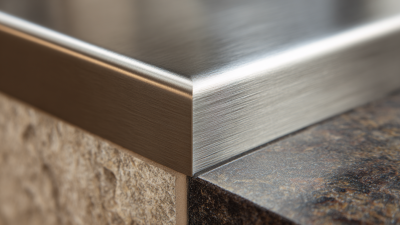
Cutting Aluminum Tile Trim might sound like a straightforward task, but for both DIYers and pros, it can actually be kind of tricky. Lately, the market for aluminum tile trims has been booming—there’s even a recent report by MarketsandMarkets saying it’ll hit around $2.5 billion by 2026. That just goes to show how much more people are looking for reliable ways to cut these trims precisely and with good quality.
But here’s the thing—just having the right tools isn’t enough. Industry folks will tell you that technique and prep work are just as important. If you don't have the skills, you might end up with uneven cuts, which means wasting materials and spending more money. I’ve also seen a lot of people skip practicing on scrap pieces before starting the real job, but honestly, that’s where you really get better.
And let’s not forget—choosing the right blade and adjusting your cutting speed can get pretty debate-worthy. Different aluminum alloys don’t all behave the same when you cut them, so you kinda have to tweak your approach depending on the trim you’re working with. Making accurate cuts when working with aluminum tile trim is super important because it impacts how good everything looks and how well it functions once installed. With a bit of know-how and some practice, anyone can sharpen their skills and get much better results—trust me, it’s worth it.
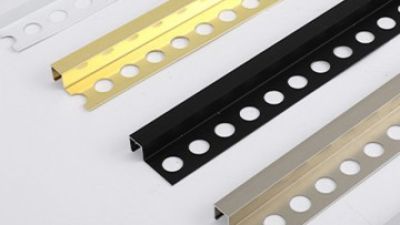
How to Choose the Right Aluminum Tile Trim for Your Project
Choosing the right aluminum tile trim is critical for ensuring a professional finish in any tiling project. According to a report by the Tile Council of North America, proper trim selection can enhance durability by up to 25%. It can also contribute to the overall aesthetic of the space. The right trim brings cohesion, avoiding an unfinished look that could detract from high-quality tiles.
Consider the dimensions and style of your tiles. Trim with a wider profile often complements larger tiles better. For instance, a sleek, minimal profile may suit modern spaces, while a more ornate trim can match classic decor. Research from the Home Improvement Research Institute indicates that 78% of consumers select trim styles that align with their personal aesthetic. However, it’s essential to strike a balance between personal taste and functional needs.
Think about the finishes as well. Anodized aluminum is both lightweight and resistant to corrosion. It’s a common choice for wet environments. Choosing the right finish affects maintenance and longevity. Do not overlook installation requirements; some trims may need special tools or techniques. Achieving a flawless look requires precise cutting and fitting, which can be challenging. Reflecting on your choices before starting can save time and resources in the long run.
2026 Aluminum Tile Trim Usage by Type
Essential Tools for Cutting Aluminum Tile Trim Safely and Accurately
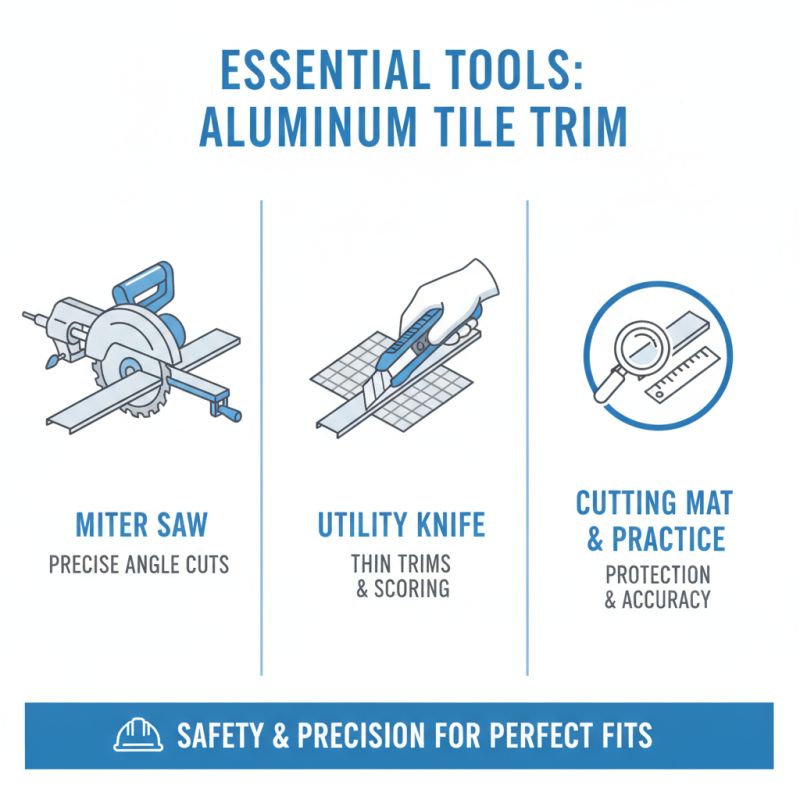
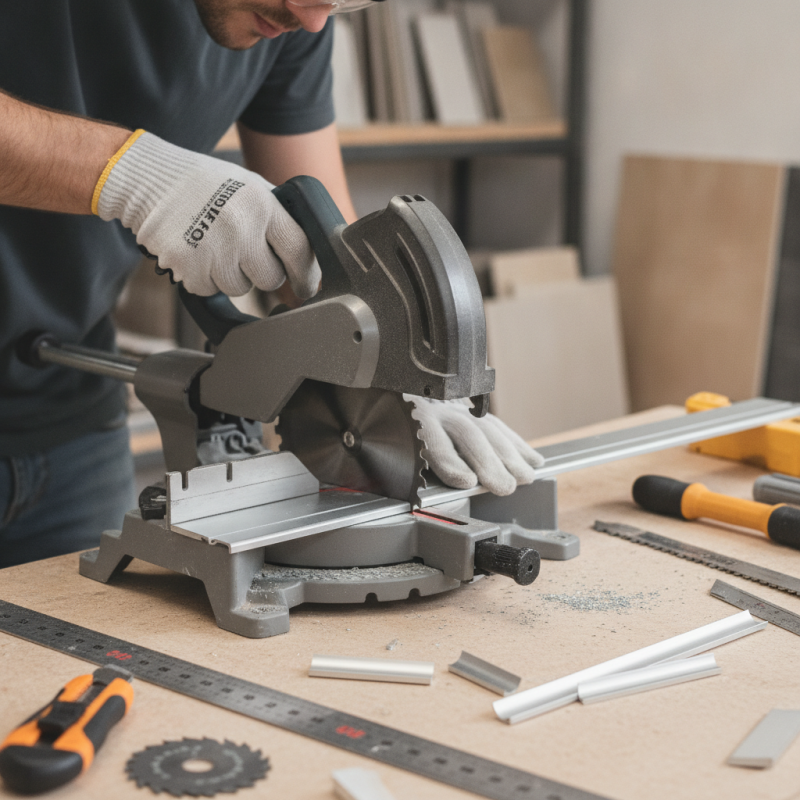
Cutting aluminum tile trim can be straightforward with the right tools. Essential tools include a miter saw, a utility knife, and a cutting mat. A miter saw provides precise angles for clean cuts. Using a utility knife works for thin trims, but requires steady hands for accuracy. You may find it helpful to practice on scrap pieces first. Precision matters greatly; even minor mistakes can lead to poor fits.
Safety should always be a priority. Wearing goggles and gloves will protect you from sharp edges and flying debris. Mistakes can happen, especially if you rush the process. Sometimes, a single wrong cut can lead to wasted materials. It's often beneficial to measure multiple times before making cuts. China Cutting Aluminum Tile Trim requires a mindful approach to ensure effectiveness.
After cutting, inspect each piece. Look for any rough edges or imperfections. A file can smooth out those areas. These additional steps improve the final result. Taking the time to ensure quality can elevate your project. Remember, the journey is just as important as the destination when working with aluminum tile trim.
Step-by-Step Guide to Measuring Aluminum Tile Trim Lengths
Measuring aluminum tile trim lengths accurately is crucial for achieving clean, professional-looking results. Start by gathering necessary tools such as a measuring tape, a pencil, and a miter saw. Measure the space needing trim with precision. Remember, it's best to allow for small gaps to account for expansion. Oftentimes, people underestimate the importance of accurate measurements, leading to miscuts that waste materials.
When cutting aluminum tile trim, ensure that you are aware of various cutting methods. A miter saw is ideal for straight cuts. Alternatively, a hand saw can work, but precision may suffer. According to industry reports, improper cutting can lead to an estimated 10% material waste. Therefore, investing time in accurate measurements will pay off.
Tips: Always double-check your measurements. Cut your trim slightly longer than needed. You can trim excess later. Additionally, practicing on scrap pieces can help refine your technique. Using the OEM Cutting Aluminum Tile Trim method can further enhance performance, ensuring your installation looks flawless. Proper preparation is key; it sets the foundation for a successful project.
Techniques for Achieving Clean Cuts on Aluminum Tile Trim
Cutting aluminum tile trim requires precision and effective techniques. Many DIY enthusiasts struggle with achieving clean cuts. According to recent industry reports, improper cutting can lead to an increase in waste by over 30%. This statistic emphasizes the need for proper methods to minimize loss.
To start, using a high-quality miter saw is recommended. Ensure the blade is sharp and specifically designed for metal. When cutting, maintain a steady speed. Rushing may cause jagged edges, which can detract from the overall appearance of your tiles. It's essential to measure twice and cut once. Many professionals advise marking your cut line clearly, as this small step greatly reduces errors.
While some may opt for angle grinders, these can produce heat. Excess heat affects the aluminum structure, potentially causing warping. If you notice any imperfections after the cut, take the time to sand down rough edges. Creating a smooth finish is vital for Custom Cutting Aluminum Tile Trim. Remember that practice makes perfect. The more cuts you execute, the better your technique will become. Strive to learn from each attempt, as each mistake can provide invaluable experience for future projects.
Understanding the Role of Aluminum Thickness in Cutting Processes
When cutting aluminum tile trim, thickness plays a critical role in the process. Aluminum comes in varying gauges, and the thickness can affect not only how you cut it but also the finish you achieve. Thicker aluminum requires more robust tools and techniques. Specialized saw blades may be necessary to handle these variations effectively.
Understanding the specific thickness of the aluminum trim is essential before beginning. For thinner trims, a simple miter saw or even hand snips may suffice. However, thicker materials demand greater power and precision. The risk of damaging thinner pieces is higher if the wrong tool is used. Precision is not just about cutting but also about how the final piece fits into the overall design.
Mistakes can happen, especially in determining the right thickness before cutting. It's easy to overlook this detail, leading to misalignment or uneven edges. Reflecting on past cuts can help improve future projects. Every piece cut incorrectly is a learning opportunity, emphasizing the need for careful measurement and tool selection. The right approach can transform the cutting process from a chore into a precise craft.
Best Practices for Finishing Edges After Cutting Aluminum Trim
When cutting aluminum tile trim, finishing the edges is crucial for a polished look. One common approach is to use a file or sandpaper to smooth out any sharp edges after cutting. A fine-toothed file works well for this task. It ensures that the edges are not only smooth but also safe to touch. Take your time during this step; rushing can lead to uneven finishes and potential injuries.
Applying a metal finishing compound can enhance the appearance further. It adds a layer of protection against oxidation and scratches. Use a soft cloth to apply the compound evenly. Pay attention to the details, as a small inconsistency can stand out on a visible surface. Remember, your initial cut might not always be perfect. You may need to go back and adjust certain areas. It’s part of the learning process in working with metal trims.
Inspect your work closely after finishing. Look for any areas that might need additional attention. Even slight imperfections can affect the overall aesthetic. Don't hesitate to refine further if you're not satisfied. Taking the time to perfect the edges of your aluminum trim can elevate your project significantly. Each step counts towards achieving the look you desire.
Common Mistakes to Avoid When Cutting Aluminum Tile Trim
Cutting aluminum tile trim requires precision. Many DIY enthusiasts struggle with accuracy due to common mistakes. Research indicates that improperly measuring can lead to waste. The Tile Association reports that 30% of projects fail due to such fundamental errors. This highlights the importance of taking your time.
Using the wrong tools can also create issues. A typical mistake is using a standard saw instead of a dedicated tile cutter. This can lead to rough edges and uneven cuts. It's crucial to check blade specifications and select the right cutting method. The National Tile Contractors Association emphasizes that using appropriate equipment ensures cleaner results.
Additionally, rushing through the process often results in misalignment. Even experienced professionals can overlook small details, which can affect the overall aesthetic. Practicing patience and checking measurements can help avoid these pitfalls. For those engaged in Wholesale Cutting Aluminum Tile Trim, focusing on quality is essential for customer satisfaction. Every cut reflects on your business and can influence repeat customers.
2026 How to Cut Aluminum Tile Trim Effectively? - Common Mistakes to Avoid When Cutting Aluminum Tile Trim
| Mistake | Description | Recommended Solution |
| Using the Wrong Tools | Using a tool not designed for cutting aluminum can lead to poor cuts and damage. | Use a miter saw with a fine-toothed blade specifically for aluminum. |
| Not Measuring Properly | Failing to take accurate measurements can result in incorrect cuts. | Always double-check measurements before making any cuts. |
| Cutting without Clamping | Cutting aluminum trim without securing it can result in movement and imprecision. | Use clamps to hold the trim securely in place while cutting. |
| Forgetting Safety Measures | Neglecting safety gear can lead to serious injuries. | Always wear protective eyewear and gloves when cutting aluminum. |
| Not Deburring After Cutting | Sharp edges post-cutting can pose safety risks and affect installation. | Deburr the edges after cutting using a file or deburring tool. |
Innovative Design with Manufacturer Square Edge Shape Tile Corner Trim: Elevate Your Space with Aluminum Tile Trim Solutions
Innovative design in interior spaces often hinges on the details that enhance aesthetics and functionality. One such detail is the square edge shape aluminum tile corner trim, which offers a sleek, modern solution for tile installations. This trim not only protects the edges of tiles but also provides a visually appealing finish, making it an ideal choice for both residential and commercial applications. According to industry reports, minimalist designs have seen a rise in popularity, with square-shaped profiles becoming a preferred option among architects and designers aiming for a clean, contemporary look.
Square aluminum tile edges stand out for their versatility and durability. These trims are specifically designed for ceramic tile applications, allowing for seamless integration that meets both design aspirations and practical needs. Their right-angled edges lend a refined appearance, catering to settings where elegance meets utility. Research indicates that incorporating high-quality trim solutions can significantly enhance the overall value of a space, as they not only safeguard against chipping and damage but also elevate the look of tiled areas.
Moreover, choosing aluminum for tile trim is increasingly favored in the industry due to its resilience and low maintenance requirements. Market analysis shows that the demand for aluminum construction materials has surged, with professionals appreciating their longevity and aesthetic qualities. By utilizing square corner moldings in tile installations, homeowners and designers can achieve stylish results that align with current design trends while ensuring their spaces are both beautiful and built to last.
FAQS
: The right trim ensures a professional finish and enhances durability by up to 25%.
Consider tile dimensions and styles. Wider profiles suit larger tiles, while minimal profiles may fit modern aesthetics.
Anodized aluminum is lightweight and corrosion-resistant, ideal for wet environments.
A high-quality miter saw with a sharp blade designed for metal is recommended for clean cuts.
Maintain a steady cutting speed and measure carefully. Mark your cut line clearly to reduce errors.
Sand down rough edges to create a smooth finish; this step is crucial for a professional look.
Use a file or sandpaper to smooth sharp edges. Apply a metal finishing compound for added protection.
Yes, mistakes are part of the learning process. Adjustments may be needed for a better result.
Inspect your work closely and refine any areas that need attention, as even small imperfections can be noticeable.
Rushing cuts and neglecting finishing can lead to uneven results and potential injuries. Take your time.
Conclusion
When it comes to cutting aluminum tile trim, choosing the right trim for your project is the first crucial step. Consider factors like style, width, and finish to ensure it suits your tile design. Essential tools, including a miter saw or a snips, are necessary for both safety and precision, while measuring the lengths accurately is key to a successful installation.
To achieve clean cuts on aluminum tile trim, employ proper cutting techniques and pay attention to the thickness of the aluminum, as it influences the cutting process. After cutting, finishing the edges properly will enhance both the durability and aesthetics of the trim. It's also important to be aware of common mistakes, such as improper measurements or using the wrong tools, which can lead to unsatisfactory results. With careful planning and execution, cutting aluminum tile trim can be a straightforward part of your tiling project.