Leave Your Message
Quality Assurance (QA) and good maintenance have almost become synonyms of manufacturing today, especially in Standard Aluminum Extrusion Profiles. Setting the standard for quality for over 30 years in production, Ruicheng Aluminum Profiles Co., Ltd. has enhanced the aluminum value chain to the next plateau by making sure that its products are meeting and, quite often, exceeding the available standards. Such a lengthy experience coupled with hard-core dedication to quality has created an unparalleled reputation for Ruicheng; it is considered a forerunner in the aluminum industry, particularly with a host of activities that scale from industrial to special aluminum products.
Implementing strong QA in manufacturing Standard Aluminum Extrusion Profiles provides for significant long-term savings in maintenance and operating costs. Besides, investing in quality means far less frequent and less extensive repairs, thus presenting an overall gain in efficiency and productivity. Ruicheng Aluminum Profiles Co., Ltd. recognizes that the most vital part toward maintaining the expected performance and reliability is quality itself. Our client's benefits are supported precisely by this measure, letting them concentrate on their businesses while utilizing our highly-qualitative aluminum solutions.
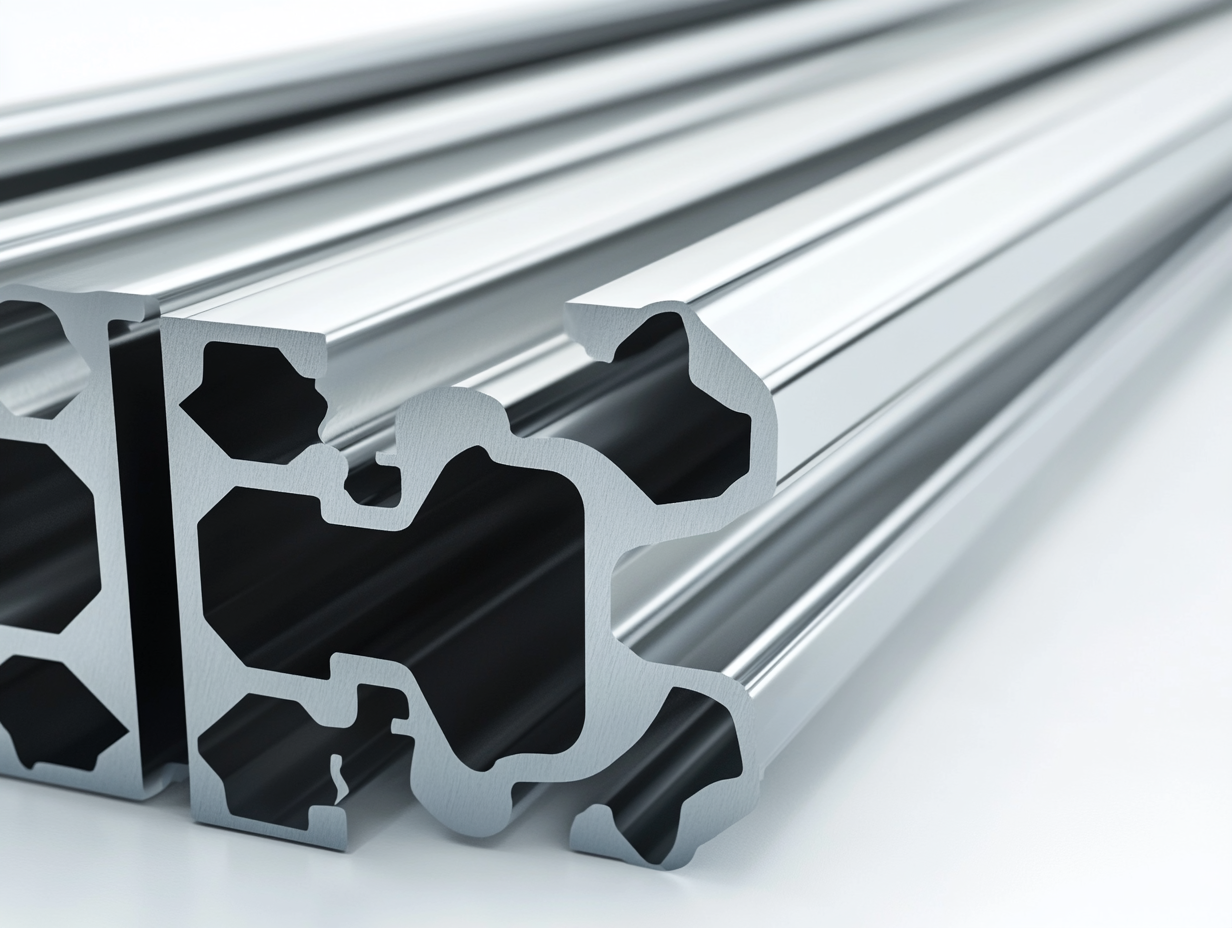
In the aluminum extrusion industry, quality assurance is an important factor ensuring that products are to standard and provide reliable performance. By implementing methodologies such as Lean Six Sigma, DMAIC, and several more, manufacturers are able to bring down the incidences of defects in their products, thereby improving the quality of their products and significantly reducing waste. It delineates for a deeper time-bound analysis of the manufacturing process, identifying points of lady improvement, while ensuring operational efficiency. Technological advances are also leading to the transformation of the quality assurances in the realm of aluminum extrusion. Breakthroughs in the manufacturing processes decrease energy consumption and streamline the end product, increasing both quality and sustainable manufacturing. With the advanced infrastructure, investments, and skilled personnel at their disposal, businesses are better equipped to gain and maintain a credible reputation for meeting market-driven requests and, as a result, note the benefits of reduced costs and improved client gratification.
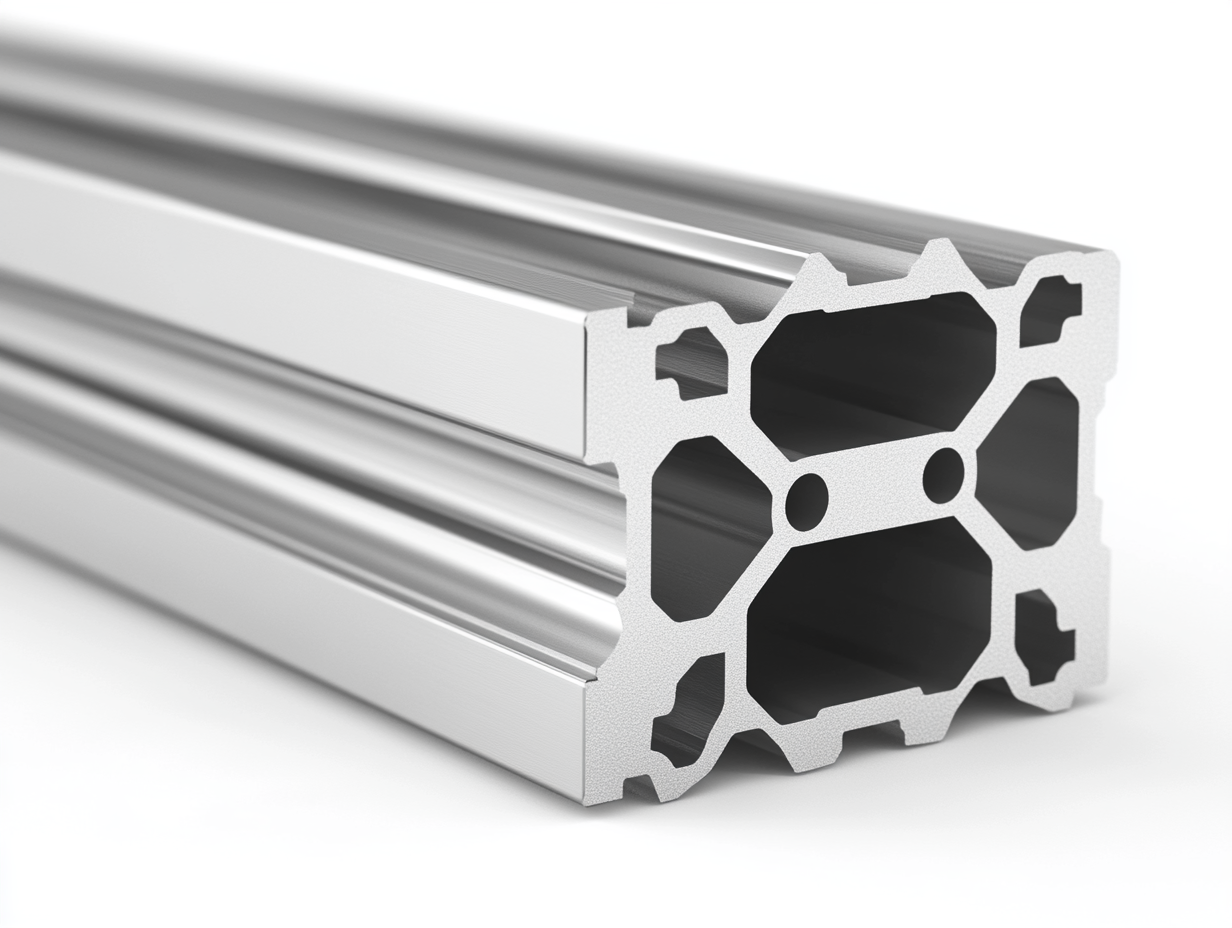
Standard aluminum extrusion profiles are an absolute necessity for promoting continuity of production across various sectors. This is how uniformity is achieved in the products by which defects are reduced to a minimum. Advanced methodologies like Lean Six Sigma are used in conjunction with these profiles to analyze, measure, and improve processes systematically, thus attaining higher quality outcomes.
The introduction of the newer equipment, including new extrusion presses, now enables suppliers to produce at their maximum capacity while maintaining quality standards. Advances in technology continue to revolutionize ways of producing and increase energy efficiency within an industry as dynamic as that of aluminum. Why productivity is increased with standard profiles and new ways of using technology is because it ensures that manufacturers can effortlessly deliver exactly what meets customer expectations.
According to Alvord et al. (2005), while quality assurance (QA) mainly enhances cost-effectiveness of companies dealing in standard aluminum extrusion profiles, manufacturing companies may greatly reduce defects by tightly following QA methodologies and this translates into lesser reworks and less material waste. Lean Six Sigma operations particularly emphasized under the Define, Measure, Analyze, Improve, Control (DMAIC) pathway can make production systems more efficient in various environments. This empirically-based technique helps in identifying root causes of quality issues and establishing corrective actions thereby contributing to financial gains.
The adoption of improved technologies is changing the aluminum industry. Innovations in refining and production processes will enhance efficiency and improve the ultimate quality of aluminum products. While firms invest in better-quality extrusion presses and automation, processing efficiency, and adherence to standards will be furthered by reduced wastage. This creates manufacturing processes that are both cost-effective and highly reliant on QA for long-term profitability in aluminum.
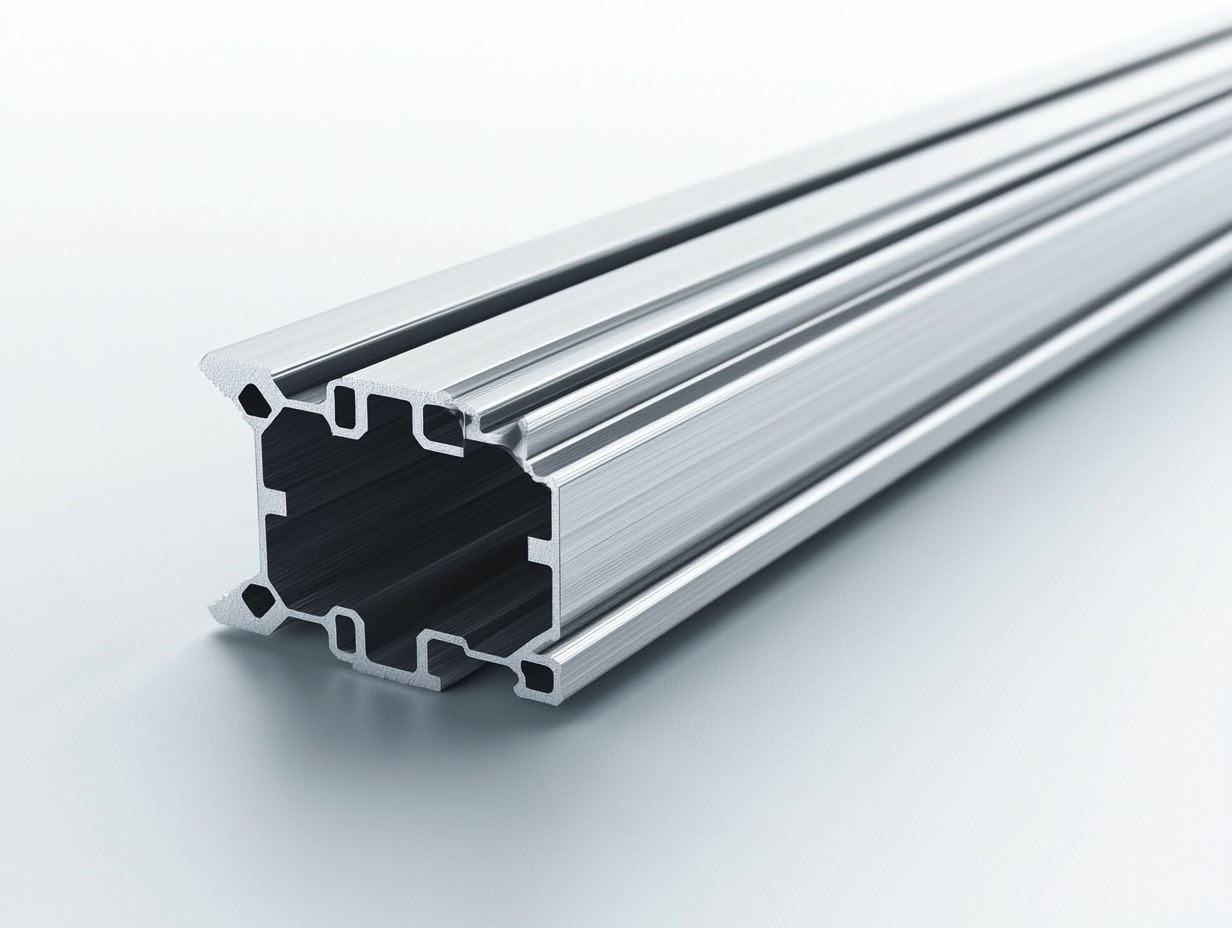
Durability is a very important factor that decides the maintenance saving with the usage of standard aluminum extrusion profiles. Today's manufacturing technology enables making aluminum extrusions not only complying with high performance levels, but also to be very durable. So fewer repairs and replacements would be needed, resulting in far less cost over time.
New innovations in production techniques cause aluminum extrusion profiles to be able to withstand extreme environments and yet perform well. The current introduction of new extrusion press lines has increased the quality of the outputs to have less defectives and requires less maintenance. The same technology could instead focus on running the business, not on maintaining resources that could shift the business into a higher operational state of the efficiency of production between itself and others in this low-maintenance improvement. It is sustainability in the production lifecycle besides maintenance savings that quality assurance is viewed as affecting.
The durability of standard aluminum extrusion profiles is the driving factor for savings in maintenance costs. The current developments in technology allow manufacturers to produce aluminum extrusions that meet high standards and are very durable. This means fewer and less frequent repairs or replacements, which gradually leads to very high savings costs.
With the improvement of production techniques, aluminum extrusion profiles will be made even more resistant in service in the harshest environments without performance loss. That is in the case of new extrusion press lines where the higher quality output would mean fewer defectives and thus lesser maintenance. These changes would instead enable concentrating on business while others maintain resources that might shift to a higher operational condition. It is not only about maintenance savings through quality assurance that would be seen as affecting sustainability of the production lifecycle.
Aluminum extrusion profiles standardly make a difference when it comes to durability, while for consistency this is a great influencing factor for the maintenance saving. Advanced manufacturing technology nowadays is successful in producing aluminum extrusions, not just to meet high performance levels but to have the extended durability as well. Ultimately, there would be a few repairs or even replacements needed that ultimately lead to a very huge cost reduction through time.
Electronic Application of New Metal Extrusion Production Techniques-new innovations improve the aluminum extrusion profiles in endurance to harsh environments while maintaining their performance. This is an example of new extrusion press lines established to produce higher quality outputs, which means fewer defectives and less maintenance. Similar investments indirectly increase resource efficiency through operational state development by shifting focus from maintaining these resource inputs. Thus, it is sustainability in the production lifecycle above setting aside under maintenance savings that would be quality assurance regarded as affecting.
Standardization is of paramount importance in manufacturing processes aimed at achieving the highest level of production efficiency in the aluminum industry. By standardizing aluminum extrusion profiles, manufacturers can minimize process time, reduce lead time, and avoid mistakes. This standardization is further enhanced by the adoption of best practices such as Lean Six Sigma methodologies, which focus on defining and controlling processes to waste elimination and enhance product quality.
On the other hand, contemporary advancements in technology also support this shift as new equipment and new techniques have been turning aluminum production on its head. Manufacturing capacity and capability expansion through new extrusion press lines offer enhanced scaling and flexibility, contributing to maintenance savings and reinforcing quality assurance, making certain that products are manufactured with respect to the stringiest industry standards while enhancing operational efficiency.
The selection of profiles for aluminum applies to the whole variety of use and presents a dilemma between custom and standard profiles. Standard extrusion profiles for aluminum give quality in assurance plus savings on maintenance costs. Using the standard profiles eliminates complications from the production process, allowing industrial work to be done more efficiently. This leads to lesser costs, which are imperative for firms interested in building competitiveness.
A current case study pointed out the desirability of lower process defects in manufacturing with methods of DMAIC and Lean Six Sigma. When applied to the domain of the standard aluminum profile, these processes further eliminate the imperfections and buttress the reason to mass-produce standardized profiles instead of custom-made ones. The advancements in technology applied in the aluminum industry will always favor the manufacturing of standard profiles in quality and sustainability for future production.
Quality assurance pays huge dividends in the long term for manufacturers, even more so, the aluminium extrusion industry. Quality control brings defects down dramatically, increases reliability in the product, and so on. Newer instances cast the forthcoming interest in methodologies, like Lean Six Sigma and DMAIC, in reduction defects. Customer satisfaction becomes solidified, and at the same time, such proves to cost savings regarding waste and rework.
It is indeed modern-day technology which transmogrifies the whole character of the aluminium industry. New processes in extraction and manufacturing increase efficiency and quality and so add the claim for spending on quality assurance. Lifetime maintenance savings are achieved by such efficiency and also create a competitive advantage in the future. The integration of state-of-the-art technology makes the quality consistent and leads to sustained income with profitable growth in the long run.
A heightened consideration for standard profiles has been reflected in the recent inauguration of a new aluminum extrusion press line. A large number of case studies show that the application of standard aluminum extrusion profiles is a huge step toward quality assurance and maintenance savings. Such profiles facilitate the manufacturing process and thus help eliminate defects and enhance product uniformity.
The one case study that stands out was when Lean Six Sigma methodologies were successfully applied to improve production quality. With the help of systematic methodologies like DMAIC, manufacturers have been able to reduce defective products, which ultimately translates into reducing costs and maximizing customer satisfaction. Such examples reveal that through the standardized profile system, a manufacturing process can be turned upside down, making the companies ready for next steps in this technology-driven, ever-evolving marketplace.
The future of aluminum extrusion quality standards promises to dramatically advance due to the acceptance of AI and new technologies. In this age where data analytics and smart manufacturing processes are trending, the need to maintain high standards in aluminum extrusion becomes urgent. Companies are using AI systems for quality control that enable real-time production monitoring and enhancement of improvement processes. Such changes help minimize defects, reduce waste, and generate large cost benefits.
More trends show a greater emphasis on predictive maintenance systems. Organizations in such areas as the military and oil and gas have begun to appreciate the importance of maintaining their equipment proactively. By using these advanced methods, such firms will help ensure that not only are their aluminum extrusion profiles up to par, but the generation of long-term savings in efficiency and operations as well. As the evolution of the industry continues, the adoption of these innovations will remain very critical for competitiveness.
A fabricator must adopt standardized aluminum extrusion profiles for building efficient and reliable supply chains within the manufacturing context. Harmonization of quality assurance must thus be emphasized to minimize defects and increase reliability for such manufacturers. Incorporating and embedding Lean Six Sigma and DMAIC methodologies will underpin manufacturers'/fabricators' processes toward optimization and reduction of variabilities for enhanced operational efficiency.
Standard profiles also correlate with technology changes affecting the whole aluminum industry, from improved production techniques to enhanced recycling possibilities. Innovations not only realize a better quality and performance of aluminum products but also make sustainability achievable. So, a manufacturer may be strengthening its capacities and processes to ultimately enable a customer to access a promising supply chain.
Standard aluminum extrusion profiles are predetermined shapes and sizes used in manufacturing that enhance product consistency across various sectors by reducing defects.
By utilizing standard profiles, manufacturers achieve uniformity in their products, significantly minimizing the likelihood of defects and enhancing overall quality.
Advanced methodologies like Lean Six Sigma can be employed to analyze, measure, and improve processes systematically to achieve higher quality outcomes.
The introduction of state-of-the-art extrusion presses and other new equipment has improved production methods and energy efficiency in the aluminum industry.
Standardization through the use of standard profiles streamlines operations, while technological advancements enhance capacity and flexibility, ensuring quality standards are met.
Case studies show that manufacturers implementing standard profiles, along with Lean Six Sigma methodologies, have significantly reduced production defects and improved customer satisfaction.
Reducing lead times through standardized processes allows manufacturers to improve efficiency, save on maintenance, and respond quickly to customer demands.
By focusing on defining and controlling manufacturing processes, best practices help eliminate waste and ensure that products meet stringent quality standards reliably.
Lean Six Sigma methodologies, such as DMAIC, have led manufacturers to reduce defects and improve production quality, resulting in financial savings and higher customer satisfaction.
Quality assurance ensures that products are produced to meet stringent industry standards, which is essential for maintaining customer trust and maximizing operational efficiency.

