Leave Your Message

Blog

What Is T Profile Tile Trim and Where Is It Used?

What Is T Profile Tile Trim and Where Is It Used?

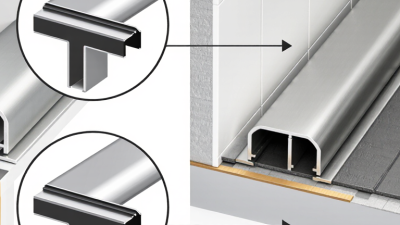
T Profile Tile Trim is a handy way to finish tile surfaces that sit at the same height. Its T-shaped cross-section sits over the joint between two materials, so you get a cleaner transition—and the exposed tile edges get some protection too. You'll often see it between ceramic and porcelain tile, from one room to the next, or wherever two tiled areas need a neat visual break. David M. Gobis, CTC, a well-respected tile industry consultant, once put it like this: 'A tile installation is only as good as the substrate beneath it.' That's worth keeping in mind. Even a top-notch trim can end up looking off if the floor underneath wasn't prepped properly. Before picking a profile, installers should check tile thickness, joint width, adhesive coverage, and movement requirements. Honestly, the small details are what decide the final result. Aluminum Tile Edge Tile products might look alike, but they're made for different jobs. An edge trim protects an exposed outside corner. A T Profile Tile Trim joins two finished surfaces. You'll find it in kitchens, bathrooms, hallways, retail spaces, and commercial entrances. Brushed aluminum works well in modern interiors, while anodized finishes can give you more consistent color. That said, it's not always the right call. If floor heights don't match, a reducer profile may be the better option. Wet areas also need careful sealing where surfaces meet. This guide walks through where T Profile Tile Trim works best, how to choose the right size, and which installation mistakes can hurt its appearance. Some advice sounds simple enough—but real floors are rarely perfect.
Read more »
Lila By:Lila - October 15, 2026
How to Choose the Right Aluminum Edge Trim?

How to Choose the Right Aluminum Edge Trim?

Picking the right Aluminum Edge Trim can be the difference between a project that looks polished and one that looks... well, like it’s missing something. It’s not just about looks, either—trim also matters for protection, alignment, cleaning, and how much upkeep it needs down the road. In real installations, trim usually meets tile, panels, countertops, or exposed board edges, and every one of those junctions asks for something a little different. A wet bathroom? You’ll want stronger moisture resistance. A busy hallway? Better impact protection. A thin decorative panel? Maybe a lighter profile makes more sense. It’s easy to underestimate that. Experienced installers tend to check more than appearance. They measure edge thickness, confirm finished height, and look at corner geometry. They’ll also compare alloy, surface treatment, profile depth, and fixing method. Anodized finishes can give you a consistent look, while powder coatings might offer more color options. But surface performance really depends on prep, environment, and workmanship. That’s a detail people sometimes miss. A reliable choice should match the material, the location, the expected contact, and your cleaning routine. Sharp transitions deserve extra attention—especially in public or high-use areas. Test samples beside the actual tile or panel, under the project’s lighting. And go through product data carefully, including tolerances and installation guidance. Local building requirements may apply too, so check them before ordering. There’s no universal profile. This guide is here to help you compare Aluminum Edge Trim with a bit more confidence. It sticks to measurable details, installation experience, and realistic project conditions. Some decisions will still come down to judgment. And that’s normal. The goal isn’t to pick the most expensive trim—it’s to pick the one that actually fits.
Read more »
Lila By:Lila - October 13, 2026
China Top LED Aluminum Profile Supplier for Global Buyers?

China Top LED Aluminum Profile Supplier for Global Buyers?

So you're picking a China-based supplier for a LED aluminum profile? Comparing online prices is only the beginning. Global buyers really need proof: consistent extrusion quality, accurate dimensions, and someone who actually replies when there's a question. A professional manufacturer should walk you through alloy grades, wall thickness, anodizing choices, and how the diffuser performs—without hiding behind vague specs. Samples matter too. They show surface marks, corner fit, and any light leakage before you commit to a big order. A dependable supplier should handle all sorts of applications—cabinet lighting, retail displays, offices, hotels, even outdoor architectural projects. Their technical team ought to look at your drawings, suggest mounting methods, and confirm that everything works with your LED strips, drivers, and connectors. Good production records help as well: incoming material checks, cutting tolerances, color consistency tests, packaging inspections. Ask practical questions. How are the profiles protected during ocean shipping? What if a batch shows up with scratches? If the answers feel weak, pay attention. The term Aluminum Led Profile gets used differently across markets, so write your specs precisely. Experienced buyers might ask for a sample approval sheet, a pre-production review, and inspection photos before shipment. Independent testing can add extra assurance when a project needs specific safety or performance evidence. That said, no supplier is perfect. A polished website doesn't prove factory capability, and a lightning-fast quote can hide fuzzy tolerances. Careful comparison still matters. The best partnerships are built on measurable commitments, not pretty claims. Look for clear lead times, responsive engineering support, consistent paperwork, and realistic after-sales service. With those checks in place, global buyers can choose a LED aluminum profile supplier that supports quality, easier installation, and long-term project reliability.
Read more »
Sophie By:Sophie - October 11, 2026
2026 How to Choose T Profile Tile Trim for Global Projects?

2026 How to Choose T Profile Tile Trim for Global Projects?

Picking T Profile Tile Trim for a project overseas—or really anywhere—isn’t just about matching a color to the tile. That profile has to protect exposed edges, keep the visual lines under control, and survive whatever the jobsite throws at it. Humidity, temperature swings, cleaning chemicals, substrate movement, even shipping distance—all of that can mess with performance. John Bridge, founder of John Bridge & Associates, puts it simply: “A good tile job is all in the preparation.” And honestly, that still holds up. A T Profile Tile Trim looks pretty simple, but whether it works comes down to accurate measurements, stable substrates, the right adhesives, and careful installation. A profile that behaves in a dry hotel corridor might act totally different in a coastal resort or a busy airport. Small details matter. This guide looks at aluminum grades, surface finishes, profile dimensions, joint planning, packaging, and how reliable the supplier is. It also touches on how designers and contractors compare T Profile Tile Trim with related searches like Aluminum Tile Edge Tile. The wording isn’t perfect, sure—but that’s kind of how buyers search across international markets. A strong choice should fit the tile thickness precisely. It should also leave enough movement tolerance where floors, walls, or dissimilar materials meet. Glossy anodized aluminum can show every fingerprint. Brushed finishes tend to hide them better. Powder coating gives you color flexibility, but quality can vary a lot from supplier to supplier. No spec is perfect. Site conditions change. That’s why experienced teams ask for samples, go over technical drawings, and test cleaning routines before approving large quantities. It helps cut down visible defects, installation delays, and expensive replacement work on global projects.
Read more »
Ethan By:Ethan - October 9, 2026
China Top Aluminum Skirting Board Manufacturers?

China Top Aluminum Skirting Board Manufacturers?

Picking the right Aluminum Skrting Board manufacturer isn’t just about comparing price tags. A solid supplier needs to keep an eye on alloy quality, extrusion accuracy, surface treatment, packaging, and delivery consistency. And honestly? Those details show up fast once installation starts. Uneven wall channels, weak clips, scratched finishes—before you know it, project costs are creeping up. Charles M. Johnson, President and CEO of The Aluminum Association, once said, “Aluminum is infinitely recyclable.” That idea really matters when you’re looking at how modern Aluminum Skrting Board is made. Good manufacturers should be able to explain where their material comes from, how they handle recycling, what coating standards they follow, and how they inspect quality. Certifications are helpful, sure, but clear evidence is what counts. So ask for samples, test reports, production photos, and references from past projects. This guide looks at China’s leading Aluminum Skrting Board manufacturers using practical criteria. We consider factory experience, design flexibility, alloy options, anodizing, powder coating, tooling support, minimum order quantities, and export communication. Some companies have beautiful catalogues but limited customization. Others can make excellent profiles but struggle with small orders or tight delivery schedules. That difference is easy to miss. The ranking isn’t perfect. Manufacturing capabilities change. A supplier that shines on one project may not be the right fit for another building, climate, or installation method. So buyers should still verify current samples and commercial terms. The most reliable choice is usually the manufacturer that’s honest about limitations, documents its process, and offers steady technical support. That’s what helps architects, distributors, and contractors choose an Aluminum Skrting Board partner with more confidence.
Read more »
Ethan By:Ethan - October 7, 2026
China Top Aluminum Tile Trim Profile Suppliers?

China Top Aluminum Tile Trim Profile Suppliers?

China still stands out as a major source for all things related to architectural aluminum components — you know, stuff like Aluminum Tile Trim Profiles used in bathrooms, kitchens, hotels, and commercial spaces. When you look at what manufacturers offer, you'll often see options like anodized, powder-coated, brushed, or mill-finish finishes. But keep in mind, even if product photos look pretty much the same, their actual capabilities can vary a lot. It's really important to go for a supplier who can clearly explain their choice of alloy, the dimensions of the profiles, how they handle corners, and surface protections. Honestly, the best way to judge quality is by testing samples — not just trusting what they promise. Take a good look under bright light — check the wall thickness, how straight everything is, the consistency of the color, and how smooth the edges are. Don’t forget to ask for inspection records and details about production tolerances. And since these profiles are often shipped long distances, make sure their packaging is solid — poor protection can easily lead to scratches or damage before installation even starts. Many Chinese manufacturers are pretty flexible with customization — they can support special dies or small tweaks to designs. That’s great if you need something unusual, like matching odd tile thicknesses or creating cleaner transitions between surfaces. But heads up, customization can sometimes bump up tooling costs and extend lead times. Just having a shiny catalog doesn’t mean production is rock-solid either. Sometimes, factory videos only show their best work. To really be sure, look for independent audits, recent samples, clear quotes, and support that actually answers your questions quickly. Oh, and you might come across the term "Aluminum Tile Edge Tile" in search results. Honestly, industry language isn’t always consistent, so don’t rely on the name alone — compare drawings and specifications instead. Skilled contractors can usually spot practical issues like how well the adhesive fits, or if the edges line up nicely, so that’s a good way to verify quality too. No supplier is perfect though — even the best factories might occasionally slip up on color matching or packing details. The key is to be aware of these things. This guide aims to give you a clear look at China's top Aluminum Tile Trim Profile suppliers, based on quality, experience, customization options, communication, and delivery reliability.
Read more »
Lila By:Lila - October 3, 2026
Top 10 Aluminum Tile Trim Suppliers Worldwide?

Top 10 Aluminum Tile Trim Suppliers Worldwide?

You might think of Tile Trim Aluminum as just a tiny finishing touch, but honestly, it plays a bigger role than you might realize. It impacts how well corners are protected, the look of grout lines, and the overall visual edge of your tiled surface. For example, a neat, clean profile next to a shower niche can really make your work feel polished and complete. On the flip side, if it doesn’t match well, your eye might be drawn to it for all the wrong reasons. That’s why in this guide, we look beyond just the price — we compare product ranges, material details, finish options, and what kind of support you can expect from suppliers. To keep things real, I’ll introduce you to Maya Chen — a fictional tile specification consultant who’s basically your go-to for expert advice. Her little tip is: ‘Pick the profile based on the tile and where it’s going, plus consider the installer’s cut — not just the finish.’ Now, just to be clear, that’s a practical piece of advice, not a direct quote from a real industry pro. When you’re working on a project, you’ll still need to check product specs and installation instructions from each supplier. We’ve got a Top 10 list that’s gonna help you compare popular aluminum tile trim suppliers worldwide. It covers their selection of profiles and whether they’re good for different kinds of projects. We also look at details you can easily check — things like alloy specs, consistency of the finish, whether they offer samples, and whether the packaging protects the exposed edges. Keep in mind, options for aluminum tile edge trims can vary quite a bit in shape and finish, so relying on just a catalog photo isn’t enough. Whenever possible, ask for samples, especially to make sure dimensions match your tile and planned grout lines. Small mismatches happen, and those shiny product images can sometimes hide them. Think of this comparison as a helpful starting point — don’t forget to double-check the current specs directly with the supplier before making your final decision.
Read more »
Lila By:Lila - September 30, 2026
Best China Aluminum Trim for Tile Suppliers?

Best China Aluminum Trim for Tile Suppliers?

Looking to pick out the best aluminum trim for your tile project from China? Here's a tip—don't just rely on shiny catalog photos. Take a closer look at the actual evidence. Aluminum trims are great for protecting exposed tile edges, giving you those clean, sharp transitions, and finishing off corners around walls and floors. But remember, a bright and perfect-looking sample can hide issues like uneven anodizing, burrs, or mismatched sizes. It’s the little details that really count. So, here’s the scoop: according to the U.S. Geological Survey’s Mineral Commodity Summaries 2024, global primary aluminum production was around 70 million metric tons in 2023. And the International Aluminium Institute predicts that worldwide demand might hit about 119 million tonnes by 2030. Now, these numbers relate to the overall aluminum industry, not specifically to tile trims. Still, they’re a good reminder that just because there’s a huge market, doesn’t mean every supplier is producing high-quality, reliable products. Big market size doesn’t automatically guarantee trustworthy trims. If you’re shopping from Chinese manufacturers, it’s smart to ask for detailed alloy and finish specs, tolerance levels, production samples, and packaging info. Check how they deal with issues like scratches, color inconsistencies, or spare parts. Don’t forget to request inspection records—just make sure they actually match the batch you’re looking at. And yeah, samples are helpful, but keep in mind—they can’t show every problem you might face in mass production. Doing a quick search for “Aluminum Tile Edge Tile” will pull up a bunch of options. Instead of just relying on vague quality claims, compare actual measurable details. Remember, the biggest or cheapest supplier isn’t always the best choice. Sometimes, it’s just one tiny inconsistency that can throw off your entire installation, so pay attention to the small stuff.
Read more »
Lila By:Lila - September 27, 2026
What Is T Profile Tile Trim and How Is It Used?

What Is T Profile Tile Trim and How Is It Used?

T Profile Tile Trim is a handy finishing touch for tiled walls, floors, counters, and transitions. Basically, it's a T-shaped strip that covers up those exposed tile edges and gives a cleaner, more polished look. Plus, it helps prevent chips where tiles meet other surfaces—always a plus, right? You’ll typically find these trims made from aluminum, stainless steel, or tough plastic. Each material reacts a bit differently—some handle moisture better, others stand up to impacts, chemicals, or temperature swings. It’s worth considering what suits your space best. When it comes to actually installing these trims, getting the right fit is key. They need to match your tile thickness pretty closely. If it’s too loose, you’ll end up with uneven edges that look kinda messy. On the flip side, if the profile is too big, you might notice a step or gap—that’s not ideal either. Before cutting, it’s smart to measure your tiles, the adhesive bed, and the joint width. And don’t forget corners—they need a little extra planning to keep everything neat. Small gaps can trap water and dirt over time, so sealing those properly can really help protect the joints. Just keep in mind, a good sealant isn’t going to fix misaligned tiles—that’s on you to measure carefully. A lot of people looking for finishing options start by searching for Aluminum Tile Edge Tile. Sometimes that’s actually what they mean—different brands might call similar trims by different names, so it’s worth checking the specs. Make sure to look at the alloy, finish, size, and how it’s meant to be installed. Plus, professional installers usually double-check the substrate and follow the adhesive manufacturer’s instructions—that’s all about making sure everything sticks well and lasts. Even the pros sometimes measure twice and make adjustments—that’s totally normal. The trick is in careful planning, clean cuts, solid bonding, and keeping the joint spacing consistent. Remember, T Profile Tile Trim isn’t just there for looks—it’s there to create a controlled, durable transition, but only if you pick and install it right."
Read more »
Ethan By:Ethan - September 24, 2026
What Are the 2026 Top Strip LED Profile Types for Buyers?

What Are the 2026 Top Strip LED Profile Types for Buyers?

By 2026, when folks are shopping for LED lighting, they’re not just impressed by shiny LEDs or pretty product photos anymore. What really matters now is finding a Strip LED Profile that fits snugly into the ceiling, keeps heat in check, and stays reliable long after it’s installed. The right profile can transform a simple light strip into a sleek architectural detail—like, really making it pop without looking gimmicky. This guide walks through the top profile options for different spaces—whether it's your home, a retail shop, a hotel, or a commercial setup. For example, recessed profiles sit flush in drywall or wood, giving a clean look. If you're doing something retro or need easier installation, surface-mounted options are the way to go. Corner profiles are handy for directing light along shelves, cabinets, or wall edges, while suspended systems work great for lighting above desks or counters. And when it comes to wet areas, you'll definitely want to pay attention to sealing and protection ratings—location really makes a difference. Aluminum Profile For Led Strip Lighting is still a solid choice because it helps conduct heat away from the LEDs, which can actually extend their lifespan. That said, factors like how thick the material is, the quality of the diffuser, and how you install everything all impact how well it works. A thicker piece of extrusion won’t fix poor ventilation or a power supply that’s not up to snuff, so you still gotta pay attention to those details. Pro installers usually double-check things like channel depth, strip width, bend radius, and diffuser fit before placing an order. They also often ask for technical drawings, test data, and samples to ensure everything’s up to snuff from trusted suppliers—little details really do matter. In this article, we compare the top LED strip profiles for 2026 based on real-world buying considerations. We’ll look at how they handle heat, glare control, how flexible they are for mounting, ease of maintenance, and how good they look finished. Honestly, some recommendations might change once you’ve tested them on-site. That’s just being real. Something that seems perfect online could end up casting shadows, diffusing light weakly, or being a pain to clean in the actual space. So, don’t just judge by how they look—performance is key.
Read more »
Ethan By:Ethan - September 21, 2026
China Top 10 LED Profile Manufacturers for Global Buyers

China Top 10 LED Profile Manufacturers for Global Buyers

Picking a reliable Led Profile manufacturer isn’t just about comparing how thick the aluminum is or looking at catalog prices. For global buyers, it’s really about digging deeper—considering thermal design, diffuser quality, machining precision, certifications, how they pack their products, and what kind of after-sales support you get. Sure, a profile might look stunning in a showroom, but if heat starts to build up inside a tight ceiling channel, it can quickly turn into a problem. Craig DiLouie, a seasoned lighting educator and author, once said, “LED lighting is a system, not just a lamp.” And honestly, that rule totally applies when choosing Led Profiles too. You gotta look at the whole package—the profile, the LED strip, the lens, the power supply, the installation surface, and how well it vents—all need to work together smoothly. Sometimes, it’s the little things that make all the difference. For example, a diffuser that doesn’t fit quite right can cause annoying visible dots. A weak or poorly anodized finish might scratch during installation. And if tolerances aren’t clearly defined, you could be looking at costly delays on site. In this guide, I’ve rounded up ten manufacturers that are known to serve international projects—companies like KLUS, TOPMET, LEDSONE, Muzata, StarlandTech, Core Lighting, WAC Lighting, Elstar, Lumines, and ALP Lighting Components. They each have their own specialties—some focus more on architectural lighting, while others are geared toward retail, furniture, or residential setups. Their extrusion depths, surface finishes, custom lengths, mounting systems, and production capacities can vary quite a bit. Of course, this list isn’t set in stone. Markets change, factories get better, and a company’s claims need to be checked out. Before placing a big order, make sure to request samples, technical drawings, photometric data, and up-to-date compliance documents. Honestly, it might slow you down a bit, but it’s totally worth it—it saves you from some pretty costly mistakes down the line. We’ve based this comparison on real-world experience, transparency in engineering, export capabilities, customization options, and reliable communication. But here’s a truth we can’t ignore—usually, the cheapest Led Profile isn’t actually the most cost-effective solution once you factor in installation, replacements, and ongoing maintenance. Sometimes, going for a slightly higher-quality option saves way more hassle and money in the long run.
Read more »
Lila By:Lila - September 18, 2026
Why Choose Aluminum Tile Trim for Global Projects?

Why Choose Aluminum Tile Trim for Global Projects?

So, why go for aluminum tile trim when working on projects around the globe? Well, it’s not just about making things look nice—it’s about choosing a material that can handle the demands of international construction. These trims are pretty handy because they travel well, go in smoothly, and perform reliably in all sorts of climates. Aluminum tile trim adds a clean, finished look to ceramic, porcelain, or natural stone surfaces, while also giving some much-needed protection to tile edges against knocks, moisture, and everyday wear and tear. Michael Turner, who’s been specializing in tile installation for over 20 years as an independent consultant, often says, “A good tile edge isn’t just for show; it’s a small but crucial detail that safeguards the entire finish.” And honestly, that really hits home when you’re working on international sites. A well-designed aluminum tile trim can make corner alignment a breeze, minimize chips that might otherwise be super visible, and help create a seamless transition between tiles and other surfaces. Plus, it makes it easier for different teams of installers working in different regions, because they all follow the same reliable details. It’s a small thing, but it can make a big difference. Whether you’re working on a hotel, airport, hospital, or retail space, aluminum profiles offer some nice flexibility. You’ve got options like anodized or powder-coated finishes to match your design, and lightweight sections that make handling and installing a lot easier. The aluminum tile edge solution can also help designers get those sharp, crisp boundaries around walls, steps, niches, or countertops—kind of like the perfect finishing touch. Of course, aluminum isn’t always a perfect fit. Choosing the wrong alloy, using a weak surface treatment, or picking the wrong size can lead to disappointing results. You really need to review the site conditions carefully—salt air, heavy foot traffic, harsh cleaning chemicals, uneven substrates—these things can all change what kind of aluminum trim you should be using. That’s where experience really counts. Global projects aren’t just about picking a product from a catalog—they need precise measurements, tested finishes, clear installation instructions, and solid technical support. Sometimes, the smallest profile is the one that needs the most careful consideration.
Read more »
Ethan By:Ethan - September 15, 2026
What Is Aluminum Trim For Tile Used For?

What Is Aluminum Trim For Tile Used For?

Aluminum trim for tile? It’s a pretty handy finishing touch that’s often overlooked. Basically, it’s a profile designed to cover exposed tile edges, corners, transitions, and where walls meet. Not only does it give a cleaner look, but it also helps protect those delicate ceramic or porcelain edges from bumps, moisture, and everyday wear and tear. Plus, it creates a nice, neat boundary between your tiles and other surfaces like paint, stone, glass, or flooring. You see it a lot in kitchens, bathrooms, and even commercial spaces. It can hide uneven cuts and keep those sharp edges from being a hazard. It’s a small detail that really makes a noticeable difference. The market’s actually growing for stuff like this. For example, Grand View Research pegged the global ceramic tile market at around USD 227.8 billion in 2023 and expects it to keep expanding through 2030—mainly because of all the renovations and new buildings popping up. With more tiled surfaces around, there’s more edge finishing to take care of. But here’s the thing: just because the market’s booming doesn’t mean installation is always smooth sailing. Picking the wrong profile can end up looking out of place or trapping water behind the tiles, which nobody wants. Aluminum profiles are pretty popular—they’re lightweight, don’t rust easily, and come in all kinds of finishes like anodized, powder-coated, or brushed. Did you know that in 2023, global aluminum production hit about 70 million metric tons? That’s a ton of material available out there. Still, quality can vary a lot depending on the alloy, coating, thickness, and how well it’s made. Some folks even search for terms like "Aluminum Tile Edge Tile," but honestly, that’s not a standard technical term. When you’re installing, it’s crucial to double-check things like the actual dimensions, tile thickness, adhesive compatibility, and whether the environment’s going to be harsh or humid. A shiny trim alone won’t fix issues like poor substrate prep—that’s a common mistake worth avoiding. When you choose the right profile carefully, aluminum trim can really boost edge protection, improve how everything lines up visually, and last longer—all without overpowering your tile’s design."
Read more »
Sophie By:Sophie - September 13, 2026
How to Choose the Right LED Tube Profile for Your Project

How to Choose the Right LED Tube Profile for Your Project

Picking the right Led Tube Profile isn’t just about flipping through a catalog—it really starts with understanding your project. For example, a warehouse aisle, a retail shelf, and an office corridor all have different lighting needs in terms of how the light spreads out, size, and thermal management. The profile has to fit the tube perfectly; even a tiny gap can cause flickering, glare, or uneven lighting that’s just plain annoying. According to the International Energy Agency, lighting accounts for around 15% of global electricity use—that's a pretty big chunk! The U.S. Department of Energy also highlights LED systems as being super efficient, easily controllable, and long-lasting. These stats emphasize why you should be careful when choosing your components. But hey, *efficiency* isn’t the only thing that matters. For instance, a narrow aluminum profile might help with heat dissipation, while a wider one could give you better light diffusion and a cleaner look. Before making your final call, check details like wall thickness, how it mounts, the operating temperature, and if it’s compatible with your diffuser. James Brodrick, who used to manage the U.S. Department of Energy’s Solid-State Lighting Program, once said, “LEDs are fundamentally different from traditional light sources.” That’s a big deal here. A Led Tube Profile isn’t just a housing piece—it influences how the light looks and how it’s cooled. So, measure twice, and don’t forget to test on-site. When you’re picking a profile, it’s smart to compare things like lumen output, beam angle, color consistency, IP rating for protection against dust or water, and how easy it is to install. The reports from the IEA and DOE are super helpful, but real-life conditions can throw curveballs—dust, vibration, tight spots, or tricky maintenance access can all affect your decision. The harsh truth? The cheapest profile might turn out to be the most expensive mistake if it doesn’t meet your needs. So, always test samples under real working conditions before placing a big order.
Read more »
Ethan By:Ethan - September 10, 2026
China Top Aluminum Skirting Board Manufacturer Supplier

China Top Aluminum Skirting Board Manufacturer Supplier

Choosing a top aluminum skirting board manufacturer in China isn't just about comparing prices, you know? There's a lot more to it—like having practical knowledge, a stable production process, and clear communication. At Everline Aluminum Systems, we’re here to support architects, contractors, distributors, and interior brands with aluminum skirting solutions, whether it’s for homes or commercial spaces. We’ve got experience with custom profiles, anodized finishes, powder coatings, clip systems, and handling different wall conditions—so, yeah, every little detail counts. And honestly, even small errors can stand out pretty quickly. An aluminum skirting board should match your design goals and, more importantly, perform reliably once installed. That’s why our tech team always checks out your drawings, wall gaps, corner details, fixing methods, and packaging needs before we get started on production. We’re happy to provide samples so you can check the surface color, profile size, and how well it fits during installation. During factory inspections, we focus on things like material consistency, coating quality, cutting precision, and packaging—these steps really help prevent delays on-site. Still, gotta be real—no supplier can promise that every project will go flawlessly. That’s just not realistic. Honestly, that kind of honesty is important. Buildings are often a bit tricky—walls may be uneven, rooms can be humid, or there's heavy foot traffic, and construction tolerances can vary. So, our team asks a lot of practical questions before making any recommendations. We want to explain what the product can do, where it might need some adjustment, and which finish is best suited for your environment. Our goal is to help you make an informed choice, not sell you on exaggerated claims. You’re always welcome to ask for product data, samples for approval, inspection records, or export documents from Everline Aluminum Systems. We’re committed to providing responsive service and keeping things under review, aiming to be a trusted partner for your aluminum skirting needs now and in the future.
Read more »
Ethan By:Ethan - September 7, 2026